21 Apr 2007
As soon as you name something you destroy part of it’s vital essence. That being said, words have power and are useful for communicating ideas. For all practical purposes, we call ourselves Heathens, meaning we honor the beliefs and practices of Pre-Christian …
[read the full article]
21 Apr 2007
I have been thinking about the days of the week. In Western cultures, the week commonly consists of five weekdays and two days of weekend. The Germanic gods, runes, and myths have left their traces in the very names of the days. This tells something of their enduring, Hidden …
[read the full article]
21 Apr 2007
In each issue, this column will explore commonplace medicinal/magical foods & tools in our 21st-century kitchens—many of the very same resources found at heathen hearths a thousand years ago. By investigating history, Norse sagas, and other folklore, we hope to rediscover some of the lost ancestral knowledge and power in our own kitchens. This section hopes to deepen our spiritual connections to, and enhance ritual workings of, Heathenry as a folk religion as well. Our premier article introduces three elements found in both cooking and creation lore, with ideas for their use in your spring rituals—fire, water, and …
[read the full article]
21 Mar 2007
Salsa is a great way to preserve the summer’s bumper tomato crop. But you may also use this recipe as an outline for ‘putting up’ vegetables as condiments in …
[read the full article]
21 Mar 2007
This simple recipe will not only give you cream cheese (plain or add fresh/dried herbs, green onions, fruit—the options are endless) but also whey for soaking grains and legumes, in addition to fermenting vegetables and …
[read the full article]
21 Mar 2007
This dish is of the same ilk as warm potato salad. It’s easy to make and great for a cool summer night after the cucumbers start going crazy in the …
[read the full article]
21 Mar 2007
This traditional cake recipe was taken from the: Pennsylvania Dutch Cookbook, Culinary Arts Press, Reading, …
[read the full article]
21 Mar 2007
Gravlax (pronounced “grov-lox”) is taken from the Swedish name for this dish. Norwegians also call it Gravlax and the Danish refer to it as Gravad laks. It literally means “buried salmon” and the name refers to the traditional method of preparation for this food: fresh salmon was heavly salted and buried in dry sand to ferment and …
[read the full article]
21 Mar 2007

SIF original cover art by Markus Wolff
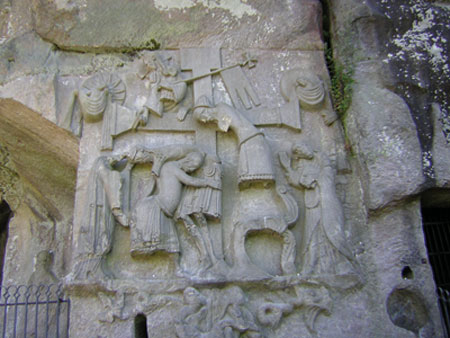
Extersteine photographed by Erik Baumann

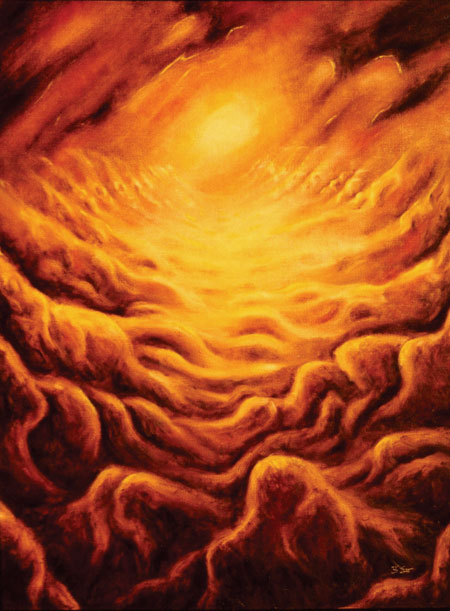
Muspellheim by …
[read the full article]